
Expert Picks For Roof Solar System Components You Can Trust
Find high-quality products selected by professionals to ensure long-lasting and efficient roof solar installations.
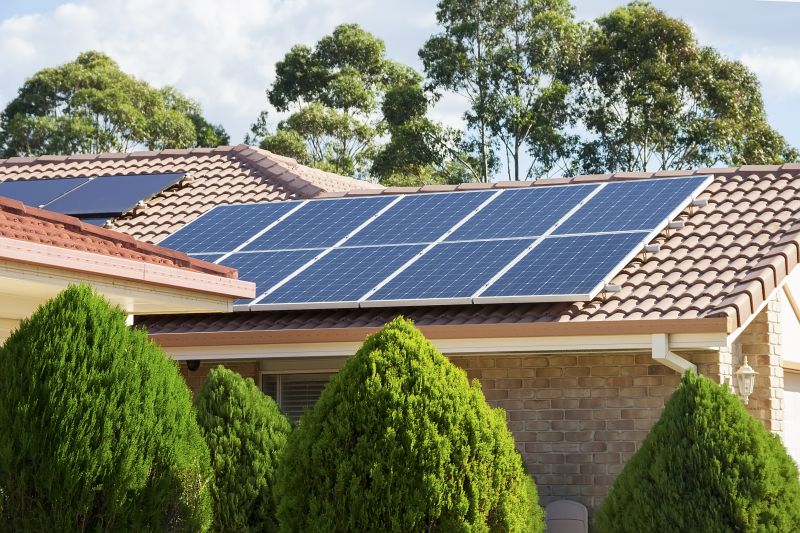 Installing solar panels on a roof involves selecting the right products to ensure a safe, efficient, and durable setup. The core components include solar panels, mounting systems, wiring, inverters, and safety equipment. Each element plays a vital role in the overall performance and longevity of the solar installation. When considering products for roof solar installations, it's important to evaluate compatibility with your roof type, ease of installation, and durability against weather conditions.
Top Overall Option
Universal Roof Mounting System
A versatile and adaptable mounting solution designed to fit a wide range of roof types and configurations. It offers adjustable angles, high durability against weather elements, and easy installation features, making it suitable for both DIY enthusiasts and professional installers. This system provides a stable foundation for solar panels, ensuring secure attachment and optimal positioning for energy capture.
Types of Products For Roof Solar Installations
Photovoltaic Solar Panels
The core component that converts sunlight into electricity, available in various sizes and efficiencies.
Roof Mounting Brackets
Supports and secures solar panels to the roof structure, compatible with different roof types.
Ballasted Mounting Systems
Non-penetrating mounting options that use weight to hold panels in place, ideal for flat roofs.
Tilt Mounts
Adjustable mounts that allow panels to be tilted for optimal sun exposure.
Flush Mounts
Flat mounting systems that sit directly against the roof surface for a sleek appearance.
Rail Systems
Longitudinal supports that hold multiple panels and facilitate alignment.
Wiring and Connectors
Electrical components that ensure safe and efficient power transfer between panels and inverters.
Inverters
Devices that convert DC electricity from panels into AC usable power for household or grid use.
Junction Boxes
Enclosures that protect electrical connections and facilitate wiring management.
Surge Protectors
Safety devices that protect the system from voltage spikes and surges.
Monitoring Systems
Tools that track system performance and energy production remotely.
Roof Anchors
Secure attachment points that anchor mounting systems to the roof structure.
Sealants and Weatherproofing
Materials that prevent leaks and protect electrical components from water ingress.
Grounding Equipment
Components that safely ground the system to prevent electrical hazards.
Lightning Arresters
Protection devices for systems installed in lightning-prone areas.
Popular Choices
Widely used for their efficiency and reliability in converting sunlight to electricity.
Essential for securing panels on various roof types with ease of installation.
Popular for adjustable positioning to optimize sun exposure.
Commonly chosen for their modular design and ease of panel alignment.
Key component for converting DC to AC power, available in string and micro inverter formats.
Critical for safe and efficient electrical connections in the system.
Trending for providing real-time system performance data.
Increasingly used for added electrical safety.
Commonly installed to organize electrical connections.
Standard for system safety and compliance.
Popular for secure attachment in various roofing scenarios.
The mounting system is particularly crucial, as it secures the solar panels to the roof and must withstand environmental factors such as wind, snow, and rain. These systems come in various designs, including flush mounts, tilt mounts, and adjustable racking, each suited to different roof angles and types. Wiring and connectors should meet safety standards and facilitate efficient power transfer, while inverters convert the direct current generated by panels into usable alternating current.
Proper planning and product selection can help optimize energy production and minimize maintenance needs. It’s also essential to consider local building codes and regulations, which may dictate specific requirements for mounting and electrical components. Quality and reliability are key factors, as they influence the system's overall performance over time. Consulting with professionals and choosing reputable products can help ensure a smooth installation process and a dependable solar power system.
Key Buying Considerations
- Compatibility with your roof type and structure
- Weather resistance and durability of mounting systems
- Ease of installation, especially for DIY projects
- Electrical safety features and certifications
- Adjustability for optimal panel positioning
- Material quality and corrosion resistance
- Compatibility with different panel sizes and weights
- Availability of support and warranty from manufacturers
- Integration with monitoring and control systems
- Compliance with local building codes and electrical standards
- Ease of access for maintenance and cleaning
- Cost-effectiveness over the system's lifespan
- Expansion options for future system upgrades
- Weight capacity and load considerations for roof integrity
- Ease of electrical wiring and connection points
This content contains affiliate links. We may earn a commission if you make a purchase through these links, at no additional cost to you.